
Commercial Stone Countertops in Portland, OR (2026 Guide)
Commercial Stone Countertops in Portland, OR (2026 Guide)
Commercial Stone Countertops in Portland, OR (2026 Guide)
Choosing Materials for Commercial Traffic: Quartz, Porcelain, Granite and Quartzite Compared
Choosing Materials for Commercial Traffic: Quartz, Porcelain, Granite and Quartzite Compared
The single most consequential decision in a commercial stone package is the material, and the correct answer changes depending on what the surface actually has to endure. Here is how the four main options behave under commercial conditions.
Engineered quartz is the default workhorse for commercial interiors and for good reason. It is non-porous, so it never needs sealing — a genuine operational advantage when the maintenance staff turns over every eight months and nobody is going to remember an annual sealing schedule. Color and pattern are consistent from slab to slab, which matters enormously in multifamily where a leasing agent needs unit 304 to look identical to the model unit. Its weakness is heat and prolonged UV. Quartz can scorch when a hot pan or a hot dish comes straight off a commercial range, and the resin binder can yellow in a south-facing window wall over years. For office reception desks, multifamily kitchens, break rooms, restrooms, and retail counters, quartz is usually the right call.
Porcelain slab is the material to reach for when heat, UV, and chemical exposure are the governing concerns. Large-format porcelain is fired at extreme temperature, which makes it effectively immune to heat, completely UV stable, and highly resistant to acids and harsh commercial cleaners. That combination makes it the best choice for a restaurant kitchen pass, an outdoor patio bar, a west-facing café window counter, or a lab or medical surface that gets wiped down with aggressive disinfectant multiple times a day. Porcelain is thinner and requires more skilled fabrication — edges have to be mitered to look substantial, and cutouts demand careful handling — so fabrication labor runs higher than quartz even when the slab cost is comparable.
Granite remains excellent value for high-abuse horizontal surfaces where the design brief allows natural variation. It handles heat without complaint and resists scratching better than almost anything else (our Oregon granite cost guide covers residential pricing on the same material). It is porous and needs periodic sealing, but a good modern impregnating sealer on a commercially used granite top realistically wants attention every one to three years, not monthly. Granite's natural variation is a liability in a repeatable multifamily spec and an asset in a one-off hospitality space.
Quartzite and marble belong in commercial projects specifically where the surface is doing design work rather than production work. A bookmatched quartzite bar front, a marble reception desk face, a hotel lobby feature wall — these are the right applications. Putting marble on a restaurant service counter that gets lemon juice and wine on it nightly is a decision the operator will regret within a season. Specify the dramatic natural stone in vertical and low-contact applications, and put quartz or porcelain where the work happens.
One overlooked variable: thickness. Commercial spans, unsupported overhangs at bar tops, and reception transaction ledges often justify 3cm over 2cm even where the residential equivalent would not. A 3cm top with a mitered build-up reads as substantial and premium, and it drastically reduces the risk of a cracked overhang in a space where people lean, sit, and set heavy things down.
How Commercial Pricing Actually Works — And Where the Cost Traps Are
How Commercial Pricing Actually Works — And Where the Cost Traps Are
Commercial buyers are often told there is a volume discount and then find the final number higher than they modeled. Here is an honest picture of what drives commercial stone cost in the Portland market.
Volume helps, but not the way people assume. The material cost per square foot does come down at volume, because a fabricator buying twenty slabs of one color from a distributor gets better pricing than someone buying one. But the larger savings are in repetition, not raw quantity. Twenty identical apartment kitchens are dramatically cheaper per unit than twenty different kitchens totaling the same square footage, because the template, the program, the cut layout, and the install sequence are solved once and repeated. If you want to reduce cost on a commercial package, reduce variation before you try to negotiate the slab price.
Fabrication complexity is the real cost driver. Waterfall ends, mitered build-ups, integrated drainboards, curved or radiused fronts, exposed unsupported overhangs, and full-height backsplash panels all add significant shop labor. Every one of these can be worth it in the right location — and every one is wasted money in a back-of-house area nobody sees. Spend your complexity budget where people look.
Cutouts and penetrations add up. A commercial job with many sinks, faucet holes, grommet holes for office wire management, POS penetrations, and appliance cutouts carries meaningfully more fabrication labor than the square footage suggests. Get these on the drawings early rather than discovering them at template.
Site conditions are the most common surprise. A residential install is a truck in a driveway and a walk through a front door. A commercial install may involve a downtown loading dock with a two-hour window, a freight elevator with a size limit that dictates maximum piece dimensions, a union labor requirement, after-hours work in an occupied building, or a fifth-floor tenant space with no elevator large enough for a full slab — which forces additional seams and changes the design. Every one of these affects price and should be disclosed at bid time, not discovered on install day.
The seam conversation should happen early. Long commercial runs will have seams; the question is where. A designer who specifies seam locations at the design stage gets a better-looking result than one who lets the fabricator decide by default at template. Seams placed at sink centers, at inside corners, or at a natural break in the pattern nearly disappear. Seams in the middle of a bar top where guests sit do not.
Budget the lead time as carefully as the dollars. On a typical commercial package, expect roughly one to two weeks for material selection and approval, one to three weeks for slab procurement if the color is not already in local inventory, one to two weeks in fabrication after template, and then installation scheduled against the GC's sequence. Rush is possible and costs money. The projects that go smoothly are the ones where the stone package was locked in before cabinets were ordered, not after.
Application by Application: Restaurants, Offices, Multifamily and Retail
Application by Application: Restaurants, Offices, Multifamily and Retail
Restaurants and bars. The bar top is the hero surface and typically justifies the budget — a dramatic quartzite or a bookmatched slab with a thick mitered edge reads as an investment in the room and photographs well, which matters more than most operators admit in an Instagram-driven market. Behind the bar and in the service areas, switch to quartz or porcelain for durability and easy sanitation. Waiter stations, POS counters, and host stands — surfaces where finish choice affects how visible wear becomes — take enormous abuse and should be spec'd as hard as the budget allows. For any surface where food is directly prepared, confirm requirements with your county health authority early; non-porous surfaces with sealed, cleanable seams are the general expectation, and quartz and porcelain satisfy this comfortably. Watch out for the espresso station — constant heat, moisture, and acidic coffee oils make porcelain the smart specification there.
Offices and professional suites. The reception desk is the entire first impression of the business and deserves real material. A waterfall-edge quartz or quartzite reception desk with an integrated transaction ledge at ADA-compliant height is one of the highest-return design moves in an office buildout. Break rooms and kitchenettes should be quartz — bulletproof, zero maintenance, and available in colorways that coordinate with any corporate palette. Conference room credenzas and coffee bars are good places to spend a little more on visual interest. Restroom vanities in a professional office benefit hugely from integrated or undermount basins with a solid stone deck; the seam-free look reads as clean and reduces the grime traps that plague tiled commercial restrooms.
Multifamily and build-to-rent. This is a volume game, and the winning strategy is different from everything above. You want a small number of SKUs, consistent color, predictable availability across the entire construction schedule, and a fabricator who can hold a delivery cadence unit by unit. Choose a quartz color that the manufacturer will still be producing in eighteen months — the worst outcome in multifamily is a discontinued color halfway through phase two. Standardize your edge profile, standardize your sink cutout, and standardize your backsplash detail. Every variation you eliminate is money and schedule risk removed from the project. Consider spending the savings on upgrading the amenity spaces — the clubhouse kitchen, the co-working bar, the lobby — where prospective tenants form their impression.
Retail and salon. Display plinths, cash wraps, and product counters get chipped, banged, and cleaned constantly. Quartz with an eased or small-radius edge survives this better than a delicate ogee that will chip at the first collision with a hand truck. Salons and med-spas need chemical resistance above all — hair color, acetone, and disinfectants destroy inappropriate surfaces fast, and porcelain or a chemically robust quartz is the answer. In retail, remember that stone remnants are an underused opportunity: small display counters and shelving can often be built from remnant material at a fraction of full-slab cost.
Still working out a budget? Get an installed price from your own measurements in about two minutes with the Alpine Stones instant quote tool, or call (503) 837-1980 to talk it through with a real person.

Sequencing, Coordination and Keeping Stone Off the Critical Path
On commercial jobs, countertops sit near the end of the construction sequence, which means every delay upstream compresses the stone window and the stone contractor gets blamed for a schedule that was lost months earlier. Here is how to prevent that.
Template requires finished, level, permanently installed substrate. (Our step-by-step installation process guide walks through template-to-install on the residential side; the commercial sequence is the same, just bigger.) Cabinets or millwork must be set, secured, and level. This is non-negotiable — a template taken off temporarily placed casework produces countertops that do not fit, and the resulting remake costs weeks. If the millwork subcontractor is running behind, the honest move is to reschedule the template rather than template optimistically and hope.
Appliances and fixtures should be on site or fully specified before template. The fabricator needs the actual sink, or at minimum the exact model and cut sheet, to make the cutout. The same goes for cooktops, faucets, soap dispensers, air switches, and any under-mount equipment. "We'll pick the sink later" is the single most common cause of commercial countertop rework we see.
Coordinate the plumbing and electrical rough-in with the stone layout. Faucet hole locations, wire management grommets in reception desks, and POS penetrations all need to be agreed before fabrication. Adding a hole after installation is possible in some materials and risky in others.
Plan the delivery logistics explicitly. Confirm loading dock access, elevator dimensions and weight capacity, protection requirements for finished floors, hours when noise is permitted in an occupied building, and parking or street-use permits for a downtown Portland address. A crew arriving to find no dock reservation loses a day, and that day comes out of your schedule.
Assign a single decision-maker. Commercial projects fail on stone when the architect, the GC, the owner, and the tenant all believe they have final say on slab selection. Name one person who signs off on material, edge, seam plan, and layout. When slabs need approval — and for natural stone they always should be viewed in person — that person visits the slab yard and initials the actual slabs.
Build a punch-list buffer. Even on a perfect job, expect a small punch item or two: a caulk line, a minor field adjustment, a piece of trim. Schedule stone with enough runway before your inspection and opening date to absorb that without drama.
Commercial Stone Is a Different Game Than Residential
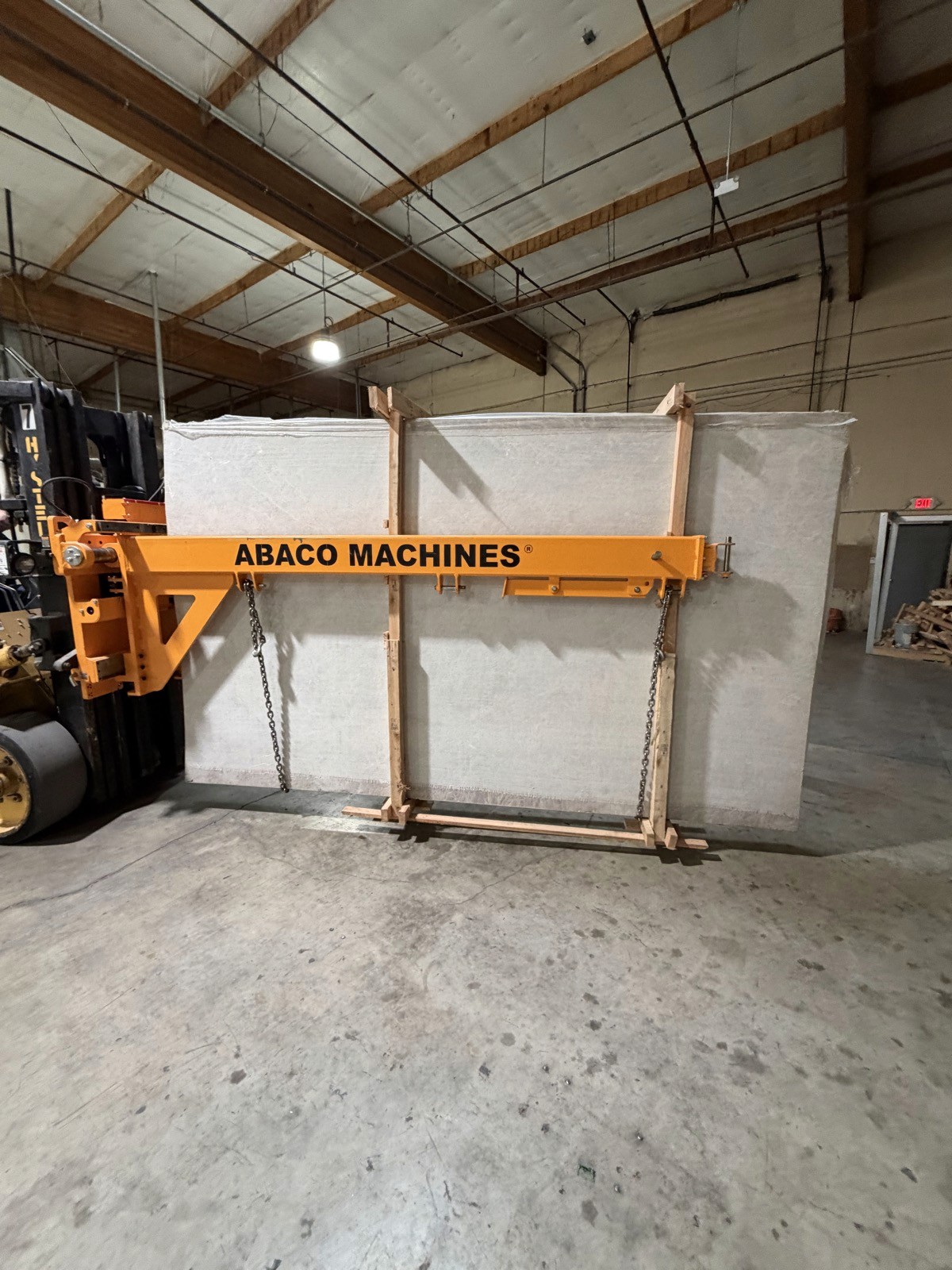
Most countertop advice on the internet is written for homeowners doing one kitchen. That advice falls apart the moment you are specifying surfaces for a 40-seat restaurant in Northwest Portland, a 120-unit apartment building in Gresham, a dental office in Beaverton, or a retail buildout in Vancouver, Washington.
Commercial stone projects have a completely different set of pressures. You are balancing a general contractor's schedule against a landlord's delivery date. You are specifying material that has to survive fifty times the daily traffic of a family kitchen. You are answering to a design team that wants a dramatic bookmatched bar front and a finance team that wants the lowest cost per square foot across 120 identical units. And you may be dealing with health department requirements, ADA reach ranges, and fire ratings that never come up in a residential remodel.
Alpine Stones has fabricated and installed stone for both sides of this market across the Portland metro, and the commercial work has grown into a meaningful share of what leaves our shop at 5512 NE 105th Ave. This guide covers what actually matters when you are buying stone for a business rather than a house: which materials hold up, how volume pricing genuinely works, how to keep a stone package from becoming the item that delays your certificate of occupancy, and where the real cost traps hide.
If you are a general contractor, architect, interior designer, property manager, or business owner planning a 2026 project in Oregon or Southwest Washington, this is written for you.
Commercial Stone Is a Different Game Than Residential
Most countertop advice on the internet is written for homeowners doing one kitchen. That advice falls apart the moment you are specifying surfaces for a 40-seat restaurant in Northwest Portland, a 120-unit apartment building in Gresham, a dental office in Beaverton, or a retail buildout in Vancouver, Washington.
Commercial stone projects have a completely different set of pressures. You are balancing a general contractor's schedule against a landlord's delivery date. You are specifying material that has to survive fifty times the daily traffic of a family kitchen. You are answering to a design team that wants a dramatic bookmatched bar front and a finance team that wants the lowest cost per square foot across 120 identical units. And you may be dealing with health department requirements, ADA reach ranges, and fire ratings that never come up in a residential remodel.
Alpine Stones has fabricated and installed stone for both sides of this market across the Portland metro, and the commercial work has grown into a meaningful share of what leaves our shop at 5512 NE 105th Ave. This guide covers what actually matters when you are buying stone for a business rather than a house: which materials hold up, how volume pricing genuinely works, how to keep a stone package from becoming the item that delays your certificate of occupancy, and where the real cost traps hide.
If you are a general contractor, architect, interior designer, property manager, or business owner planning a 2026 project in Oregon or Southwest Washington, this is written for you.
Maintenance, Warranty and Long-Term Ownership
Commercial surfaces get cleaned by people who did not choose them and were not present when the fabricator explained how to care for them. Design for that reality.
Write a one-page care sheet and physically post it. Our countertop care and maintenance guide can be handed straight to a facilities team. For quartz: neutral pH cleaner, no abrasive pads, no bleach or high-alkaline degreasers, always use a trivet under hot equipment. For granite: neutral pH cleaner, reseal on schedule, avoid acidic cleaners. For porcelain: essentially anything reasonable works, which is exactly why it belongs in high-abuse zones. Laminating that sheet and taping it inside the janitorial closet door does more for a surface's ten-year appearance than any product upgrade.
Understand what a warranty actually covers. Most engineered quartz manufacturers offer a residential lifetime warranty and a substantially shorter commercial warranty — often around ten years, sometimes less, and always with conditions. Read the commercial terms before specifying, because assuming the residential warranty applies to a restaurant is a costly misunderstanding. Fabrication and installation workmanship is warranted separately by the fabricator. Alpine Stones stands behind our fabrication and installation work, and we are happy to put the specifics in writing at bid time.
Plan for repairability. Chips in quartz and granite can usually be filled with a color-matched epoxy, and a well-executed seam is repairable the same way and polished. Cracks near sink cutouts and unsupported overhangs are more serious. On a large multifamily or hospitality project, ask the fabricator to hold a small quantity of attic stock — a remnant of the same lot — so a future repair or a replaced section matches. This costs very little at the time of the project and is nearly impossible to recreate three years later after the color has been discontinued.
Consider the refresh cycle. A restaurant may fully renovate every seven to ten years; a multifamily property may refresh unit interiors on turnover. Choosing a widely available, currently produced material with a neutral colorway makes partial replacement viable years later. Choosing a rare exotic that was a one-time container purchase means any future damage requires replacing the entire run.
Working With Alpine Stones on Your Commercial Project
Alpine Stones fabricates and installs commercial stone surfaces throughout the Portland metro area — Portland, Beaverton, Hillsboro, Gresham, Lake Oswego, Tigard, Tualatin, Milwaukie, Oregon City, West Linn, Wilsonville, Happy Valley, Clackamas, and across the river in Vancouver, Camas, and Battle Ground, Washington. We work directly with general contractors, architects, interior designers, developers, and property managers, and we are comfortable reading a set of drawings, providing a takeoff from plans for budgeting, and holding a delivery schedule across a multi-phase job.
If you have a project in design or out to bid, bring us in early. A thirty-minute conversation at the schematic stage about material selection, seam strategy, and slab availability routinely saves more money than any negotiation at the bid stage. We can meet at your site, review your drawings, or walk your team through the slab inventory in person so the decision-makers see the actual material before it is committed.
Related reading for commercial specifiers
Porcelain slab guide — the material for heat, UV, and harsh commercial cleaners.
Quartz buyer's guide — the multifamily and break room workhorse.
2cm vs 3cm thickness — why commercial overhangs and transaction ledges usually justify 3cm.
Seam planning — sealed, cleanable joints matter for health inspection.
2026 Portland & Vancouver WA cost guide — installed pricing by material.
Care and maintenance — the one-pager to post in the janitorial closet.
Have a commercial project out to bid? Call Alpine Stones at (503) 837-1980 for a plan takeoff, a budget number for your 2026 pro forma, or a slab walkthrough with your design team. We quote one all-inclusive number and put the schedule commitment in writing.
Alpine Stones
5512 NE 105th Ave, Portland, OR 97220
Phone: (503) 837-1980
Oregon CCB# 223660
Commercial and residential countertop fabrication and installation throughout the Portland metro area and Southwest Washington.
Need a fast budget number for a pro forma before you call? Our instant countertop quote tool gives you an installed price in a few minutes. For plan takeoffs and multi-unit bids, call Alpine Stones at (503) 837-1980.
Building a patio bar or rooftop service area? See outdoor kitchen countertops in Portland for the materials that survive exposure.

Terms & Conditions
CCB#: 223660
COPYRIGHT 2025 ALPINE STONES, INC
__________________________________________________________________________________________________________________________________________________________________________________________________________________________________________________________________________________
RESOURCES
STAY CONNECTED
Mon-Fri / 9am-4pm




CCB#: 223660
COPYRIGHT 2025 ALPINE STONES, INC
__________________________________________________________________________________________________________________________________________________________________________________________________________________________________________________________________________________
Terms & Conditions
CCB#: 223660
COPYRIGHT 2025 ALPINE STONES, INC
__________________________________________________________________________________________________________________________________________________________________________________________________________________________________________________________________________________
RESOURCES
STAY CONNECTED
Mon-Fri / 9am-4pm
Terms & Conditions
CCB#: 223660
COPYRIGHT 2025 ALPINE STONES, INC
__________________________________________________________________________________________________________________________________________________________________________________________________________________________________________________________________________________
RESOURCES
STAY CONNECTED
Mon-Fri / 9am-4pm

Working With Alpine Stones on Your Commercial Project
Alpine Stones fabricates and installs commercial stone surfaces throughout the Portland metro area — Portland, Beaverton, Hillsboro, Gresham, Lake Oswego, Tigard, Tualatin, Milwaukie, Oregon City, West Linn, Wilsonville, Happy Valley, Clackamas, and across the river in Vancouver, Camas, and Battle Ground, Washington. We work directly with general contractors, architects, interior designers, developers, and property managers, and we are comfortable reading a set of drawings, providing a takeoff from plans for budgeting, and holding a delivery schedule across a multi-phase job.
If you have a project in design or out to bid, bring us in early. A thirty-minute conversation at the schematic stage about material selection, seam strategy, and slab availability routinely saves more money than any negotiation at the bid stage. We can meet at your site, review your drawings, or walk your team through the slab inventory in person so the decision-makers see the actual material before it is committed.
Related reading for commercial specifiers
Porcelain slab guide — the material for heat, UV, and harsh commercial cleaners.
Quartz buyer's guide — the multifamily and break room workhorse.
2cm vs 3cm thickness — why commercial overhangs and transaction ledges usually justify 3cm.
Seam planning — sealed, cleanable joints matter for health inspection.
2026 Portland & Vancouver WA cost guide — installed pricing by material.
Care and maintenance — the one-pager to post in the janitorial closet.
Have a commercial project out to bid? Call Alpine Stones at (503) 837-1980 for a plan takeoff, a budget number for your 2026 pro forma, or a slab walkthrough with your design team. We quote one all-inclusive number and put the schedule commitment in writing.
Alpine Stones
5512 NE 105th Ave, Portland, OR 97220
Phone: (503) 837-1980
Oregon CCB# 223660
Commercial and residential countertop fabrication and installation throughout the Portland metro area and Southwest Washington.
Need a fast budget number for a pro forma before you call? Our instant countertop quote tool gives you an installed price in a few minutes. For plan takeoffs and multi-unit bids, call Alpine Stones at (503) 837-1980.
Building a patio bar or rooftop service area? See outdoor kitchen countertops in Portland for the materials that survive exposure.
Maintenance, Warranty and Long-Term Ownership
Commercial surfaces get cleaned by people who did not choose them and were not present when the fabricator explained how to care for them. Design for that reality.
Write a one-page care sheet and physically post it. Our countertop care and maintenance guide can be handed straight to a facilities team. For quartz: neutral pH cleaner, no abrasive pads, no bleach or high-alkaline degreasers, always use a trivet under hot equipment. For granite: neutral pH cleaner, reseal on schedule, avoid acidic cleaners. For porcelain: essentially anything reasonable works, which is exactly why it belongs in high-abuse zones. Laminating that sheet and taping it inside the janitorial closet door does more for a surface's ten-year appearance than any product upgrade.
Understand what a warranty actually covers. Most engineered quartz manufacturers offer a residential lifetime warranty and a substantially shorter commercial warranty — often around ten years, sometimes less, and always with conditions. Read the commercial terms before specifying, because assuming the residential warranty applies to a restaurant is a costly misunderstanding. Fabrication and installation workmanship is warranted separately by the fabricator. Alpine Stones stands behind our fabrication and installation work, and we are happy to put the specifics in writing at bid time.
Plan for repairability. Chips in quartz and granite can usually be filled with a color-matched epoxy, and a well-executed seam is repairable the same way and polished. Cracks near sink cutouts and unsupported overhangs are more serious. On a large multifamily or hospitality project, ask the fabricator to hold a small quantity of attic stock — a remnant of the same lot — so a future repair or a replaced section matches. This costs very little at the time of the project and is nearly impossible to recreate three years later after the color has been discontinued.
Consider the refresh cycle. A restaurant may fully renovate every seven to ten years; a multifamily property may refresh unit interiors on turnover. Choosing a widely available, currently produced material with a neutral colorway makes partial replacement viable years later. Choosing a rare exotic that was a one-time container purchase means any future damage requires replacing the entire run.
Working With Alpine Stones on Your Commercial Project
Alpine Stones fabricates and installs commercial stone surfaces throughout the Portland metro area — Portland, Beaverton, Hillsboro, Gresham, Lake Oswego, Tigard, Tualatin, Milwaukie, Oregon City, West Linn, Wilsonville, Happy Valley, Clackamas, and across the river in Vancouver, Camas, and Battle Ground, Washington. We work directly with general contractors, architects, interior designers, developers, and property managers, and we are comfortable reading a set of drawings, providing a takeoff from plans for budgeting, and holding a delivery schedule across a multi-phase job.
If you have a project in design or out to bid, bring us in early. A thirty-minute conversation at the schematic stage about material selection, seam strategy, and slab availability routinely saves more money than any negotiation at the bid stage. We can meet at your site, review your drawings, or walk your team through the slab inventory in person so the decision-makers see the actual material before it is committed.
Related reading for commercial specifiers
Porcelain slab guide — the material for heat, UV, and harsh commercial cleaners.
Quartz buyer's guide — the multifamily and break room workhorse.
2cm vs 3cm thickness — why commercial overhangs and transaction ledges usually justify 3cm.
Seam planning — sealed, cleanable joints matter for health inspection.
2026 Portland & Vancouver WA cost guide — installed pricing by material.
Care and maintenance — the one-pager to post in the janitorial closet.
Have a commercial project out to bid? Call Alpine Stones at (503) 837-1980 for a plan takeoff, a budget number for your 2026 pro forma, or a slab walkthrough with your design team. We quote one all-inclusive number and put the schedule commitment in writing.
Alpine Stones
5512 NE 105th Ave, Portland, OR 97220
Phone: (503) 837-1980
Oregon CCB# 223660
Commercial and residential countertop fabrication and installation throughout the Portland metro area and Southwest Washington.
Need a fast budget number for a pro forma before you call? Our instant countertop quote tool gives you an installed price in a few minutes. For plan takeoffs and multi-unit bids, call Alpine Stones at (503) 837-1980.
Building a patio bar or rooftop service area? See outdoor kitchen countertops in Portland for the materials that survive exposure.
Application by Application: Restaurants, Offices, Multifamily and Retail
Restaurants and bars. The bar top is the hero surface and typically justifies the budget — a dramatic quartzite or a bookmatched slab with a thick mitered edge reads as an investment in the room and photographs well, which matters more than most operators admit in an Instagram-driven market. Behind the bar and in the service areas, switch to quartz or porcelain for durability and easy sanitation. Waiter stations, POS counters, and host stands — surfaces where finish choice affects how visible wear becomes — take enormous abuse and should be spec'd as hard as the budget allows. For any surface where food is directly prepared, confirm requirements with your county health authority early; non-porous surfaces with sealed, cleanable seams are the general expectation, and quartz and porcelain satisfy this comfortably. Watch out for the espresso station — constant heat, moisture, and acidic coffee oils make porcelain the smart specification there.
Offices and professional suites. The reception desk is the entire first impression of the business and deserves real material. A waterfall-edge quartz or quartzite reception desk with an integrated transaction ledge at ADA-compliant height is one of the highest-return design moves in an office buildout. Break rooms and kitchenettes should be quartz — bulletproof, zero maintenance, and available in colorways that coordinate with any corporate palette. Conference room credenzas and coffee bars are good places to spend a little more on visual interest. Restroom vanities in a professional office benefit hugely from integrated or undermount basins with a solid stone deck; the seam-free look reads as clean and reduces the grime traps that plague tiled commercial restrooms.
Multifamily and build-to-rent. This is a volume game, and the winning strategy is different from everything above. You want a small number of SKUs, consistent color, predictable availability across the entire construction schedule, and a fabricator who can hold a delivery cadence unit by unit. Choose a quartz color that the manufacturer will still be producing in eighteen months — the worst outcome in multifamily is a discontinued color halfway through phase two. Standardize your edge profile, standardize your sink cutout, and standardize your backsplash detail. Every variation you eliminate is money and schedule risk removed from the project. Consider spending the savings on upgrading the amenity spaces — the clubhouse kitchen, the co-working bar, the lobby — where prospective tenants form their impression.
Retail and salon. Display plinths, cash wraps, and product counters get chipped, banged, and cleaned constantly. Quartz with an eased or small-radius edge survives this better than a delicate ogee that will chip at the first collision with a hand truck. Salons and med-spas need chemical resistance above all — hair color, acetone, and disinfectants destroy inappropriate surfaces fast, and porcelain or a chemically robust quartz is the answer. In retail, remember that stone remnants are an underused opportunity: small display counters and shelving can often be built from remnant material at a fraction of full-slab cost.
Still working out a budget? Get an installed price from your own measurements in about two minutes with the Alpine Stones instant quote tool, or call (503) 837-1980 to talk it through with a real person.
How Commercial Pricing Actually Works — And Where the Cost Traps Are
Commercial buyers are often told there is a volume discount and then find the final number higher than they modeled. Here is an honest picture of what drives commercial stone cost in the Portland market.
Volume helps, but not the way people assume. The material cost per square foot does come down at volume, because a fabricator buying twenty slabs of one color from a distributor gets better pricing than someone buying one. But the larger savings are in repetition, not raw quantity. Twenty identical apartment kitchens are dramatically cheaper per unit than twenty different kitchens totaling the same square footage, because the template, the program, the cut layout, and the install sequence are solved once and repeated. If you want to reduce cost on a commercial package, reduce variation before you try to negotiate the slab price.
Fabrication complexity is the real cost driver. Waterfall ends, mitered build-ups, integrated drainboards, curved or radiused fronts, exposed unsupported overhangs, and full-height backsplash panels all add significant shop labor. Every one of these can be worth it in the right location — and every one is wasted money in a back-of-house area nobody sees. Spend your complexity budget where people look.
Cutouts and penetrations add up. A commercial job with many sinks, faucet holes, grommet holes for office wire management, POS penetrations, and appliance cutouts carries meaningfully more fabrication labor than the square footage suggests. Get these on the drawings early rather than discovering them at template.
Site conditions are the most common surprise. A residential install is a truck in a driveway and a walk through a front door. A commercial install may involve a downtown loading dock with a two-hour window, a freight elevator with a size limit that dictates maximum piece dimensions, a union labor requirement, after-hours work in an occupied building, or a fifth-floor tenant space with no elevator large enough for a full slab — which forces additional seams and changes the design. Every one of these affects price and should be disclosed at bid time, not discovered on install day.
The seam conversation should happen early. Long commercial runs will have seams; the question is where. A designer who specifies seam locations at the design stage gets a better-looking result than one who lets the fabricator decide by default at template. Seams placed at sink centers, at inside corners, or at a natural break in the pattern nearly disappear. Seams in the middle of a bar top where guests sit do not.
Budget the lead time as carefully as the dollars. On a typical commercial package, expect roughly one to two weeks for material selection and approval, one to three weeks for slab procurement if the color is not already in local inventory, one to two weeks in fabrication after template, and then installation scheduled against the GC's sequence. Rush is possible and costs money. The projects that go smoothly are the ones where the stone package was locked in before cabinets were ordered, not after.
Sequencing, Coordination and Keeping Stone Off the Critical Path
On commercial jobs, countertops sit near the end of the construction sequence, which means every delay upstream compresses the stone window and the stone contractor gets blamed for a schedule that was lost months earlier. Here is how to prevent that.
Template requires finished, level, permanently installed substrate. (Our step-by-step installation process guide walks through template-to-install on the residential side; the commercial sequence is the same, just bigger.) Cabinets or millwork must be set, secured, and level. This is non-negotiable — a template taken off temporarily placed casework produces countertops that do not fit, and the resulting remake costs weeks. If the millwork subcontractor is running behind, the honest move is to reschedule the template rather than template optimistically and hope.
Appliances and fixtures should be on site or fully specified before template. The fabricator needs the actual sink, or at minimum the exact model and cut sheet, to make the cutout. The same goes for cooktops, faucets, soap dispensers, air switches, and any under-mount equipment. "We'll pick the sink later" is the single most common cause of commercial countertop rework we see.
Coordinate the plumbing and electrical rough-in with the stone layout. Faucet hole locations, wire management grommets in reception desks, and POS penetrations all need to be agreed before fabrication. Adding a hole after installation is possible in some materials and risky in others.
Plan the delivery logistics explicitly. Confirm loading dock access, elevator dimensions and weight capacity, protection requirements for finished floors, hours when noise is permitted in an occupied building, and parking or street-use permits for a downtown Portland address. A crew arriving to find no dock reservation loses a day, and that day comes out of your schedule.
Assign a single decision-maker. Commercial projects fail on stone when the architect, the GC, the owner, and the tenant all believe they have final say on slab selection. Name one person who signs off on material, edge, seam plan, and layout. When slabs need approval — and for natural stone they always should be viewed in person — that person visits the slab yard and initials the actual slabs.
Build a punch-list buffer. Even on a perfect job, expect a small punch item or two: a caulk line, a minor field adjustment, a piece of trim. Schedule stone with enough runway before your inspection and opening date to absorb that without drama.
Maintenance, Warranty and Long-Term Ownership
Commercial surfaces get cleaned by people who did not choose them and were not present when the fabricator explained how to care for them. Design for that reality.
Write a one-page care sheet and physically post it. Our countertop care and maintenance guide can be handed straight to a facilities team. For quartz: neutral pH cleaner, no abrasive pads, no bleach or high-alkaline degreasers, always use a trivet under hot equipment. For granite: neutral pH cleaner, reseal on schedule, avoid acidic cleaners. For porcelain: essentially anything reasonable works, which is exactly why it belongs in high-abuse zones. Laminating that sheet and taping it inside the janitorial closet door does more for a surface's ten-year appearance than any product upgrade.
Understand what a warranty actually covers. Most engineered quartz manufacturers offer a residential lifetime warranty and a substantially shorter commercial warranty — often around ten years, sometimes less, and always with conditions. Read the commercial terms before specifying, because assuming the residential warranty applies to a restaurant is a costly misunderstanding. Fabrication and installation workmanship is warranted separately by the fabricator. Alpine Stones stands behind our fabrication and installation work, and we are happy to put the specifics in writing at bid time.
Plan for repairability. Chips in quartz and granite can usually be filled with a color-matched epoxy, and a well-executed seam is repairable the same way and polished. Cracks near sink cutouts and unsupported overhangs are more serious. On a large multifamily or hospitality project, ask the fabricator to hold a small quantity of attic stock — a remnant of the same lot — so a future repair or a replaced section matches. This costs very little at the time of the project and is nearly impossible to recreate three years later after the color has been discontinued.
Consider the refresh cycle. A restaurant may fully renovate every seven to ten years; a multifamily property may refresh unit interiors on turnover. Choosing a widely available, currently produced material with a neutral colorway makes partial replacement viable years later. Choosing a rare exotic that was a one-time container purchase means any future damage requires replacing the entire run.