
Quartz vs Granite: Which Is Cheaper in Portland? (2026)
Quartz vs Granite: Which Is Cheaper in Portland? (2026)
Quartz vs Granite: Which Is Cheaper in Portland? (2026)
What's the Difference? Natural vs. Engineered
What's the Difference? Natural vs. Engineered
Granite is a natural stone quarried from the earth. Our complete guide to granite countertops in Portland breaks down tiers, pricing and care in depth. Every slab is one-of-a-kind, with unique veining and mineral patterns formed over millions of years. If you want a countertop that's truly yours alone, granite delivers that in a way no engineered product can match.
Quartz (sometimes called engineered stone) is made from roughly 90-94% ground natural quartz crystals bound together with polymer resins and pigments. Brands like Cambria, Caesarstone, and Silestone control the color and pattern, so you get consistency across your entire kitchen — and between your kitchen and bathrooms.
Why that difference drives the price. Granite is priced by what the earth produced and what it cost to get here. A common Brazilian or Indian granite in steady supply is cheap because there is a lot of it; a rare exotic block that yielded only a handful of slabs is expensive for the same reason a rare anything is expensive. Quartz is priced by a factory, so the cost curve is flatter and far more predictable — a mid-tier Calacatta-look quartz costs about the same this month as it will in six months, in any quantity you need.
That has a practical consequence most homeowners miss: granite has a lower floor and a much higher ceiling, while quartz clusters in the middle. If you are shopping strictly on price, granite can absolutely beat quartz — but only in the common-color tiers, and only if you are flexible on which slab you get. If your heart is set on a specific look, that flexibility disappears and so does the savings.
One more thing worth knowing before you compare quotes: granite is sold by the slab, and slabs come in fixed sizes. If your kitchen needs 42 square feet and the slab yields 45 usable square feet, you pay for the slab, not the 42. That is why two kitchens of nearly identical size can come back with meaningfully different granite quotes. Ask any fabricator how many slabs your job consumes — it is the single fastest way to understand a granite number. Our slab selection guide walks through how yield is calculated at the slab yard.
Cost Comparison in the Portland Market (2026)
Cost Comparison in the Portland Market (2026)
Pricing varies by slab selection, edge profile, and kitchen complexity, but here's what Portland homeowners typically pay in 2026, fully installed:
Granite: starts around $80 per square foot installed. Common colors start near $80, mid-grade runs $95–$130, and exotic slabs are quoted per slab with no fixed ceiling.
Quartz: $65 – $120 per square foot installed. Entry-level runs $65–$85, mid-tier marble-look $85–$105, and premium designer lines $105–$120+.
For a standard Portland kitchen of roughly 40 square feet, that puts granite starting around $3,200 and quartz around $2,600 – $4,800. That is the real takeaway: entry-level quartz is the lower starting point in our market, while granite starts higher and a premium exotic slab will run well past most quartz. Cost alone rarely decides this one.
Edge upgrades, sink cutouts, overhang supports and seam count all move the final number. Our 2026 Portland & Vancouver WA countertop cost guide breaks down every line item, and our Oregon granite price guide goes deeper on granite tiers specifically.
Durability & Maintenance: Portland Weather Matters
Durability & Maintenance: Portland Weather Matters
Portland's damp climate can affect your countertops — especially around sinks and windows where moisture lingers.
Granite is heat-resistant (you can set a hot pan directly on it) and incredibly hard. However, it's porous and needs to be sealed roughly once a year to prevent staining from wine, coffee, or cooking oils. Skip the sealing, and you may notice dark spots over time. The test is simple: leave a few drops of water on the surface for 15 minutes. If it darkens, it is time to reseal.
Quartz is non-porous, which means zero sealing, no staining from spills, and no bacteria growth in surface pores. It's virtually maintenance-free — just wipe it down. The trade-off? Quartz is sensitive to high heat. Trivets are a must; placing a 400°F pan directly on quartz can cause discoloration or cracking, and the resin binders can scorch permanently.
For busy Portland families who want low-maintenance surfaces, quartz tends to edge ahead. For serious home cooks who value heat resistance, granite wins. Either way, our countertop care and maintenance guide covers the day-to-day specifics for both materials, including what cleaners to keep away from each.
Still working out a budget? Get an installed price from your own measurements in about two minutes with the Alpine Stones instant quote tool, or call (503) 837-1980 to talk it through with a real person.

Style & Design: What Looks Best in Pacific Northwest Homes?
Portland homes span a wide range — from Craftsman bungalows in Sellwood to modern new builds in the Pearl District. Both materials work beautifully, but they bring different vibes:
Granite shines in traditional, rustic, and transitional kitchens. The natural movement and depth of a granite slab adds warmth that pairs perfectly with wood cabinets and farmhouse sinks.
Quartz excels in modern, minimalist, and contemporary designs. Clean lines, consistent color, and the ability to mimic marble (like Calacatta) without the maintenance make quartz a designer favorite.
We're seeing a strong trend in Portland toward quartz with marble-look veining — homeowners get the luxury aesthetic of marble with zero upkeep. But classic granite like White Ice or Alaska White remains popular in the suburbs for its timeless appeal.
If you already know which direction you are leaning, our white and light countertops guide and black and dark stone guide show how each material reads at either end of the value scale. Finish matters as much as color — see polished vs. honed vs. leathered before you commit.
The Fast Answer on Cost

Looking for the full head-to-head breakdown instead? Read our complete 2026 quartz vs. granite comparison guide for Portland.
If you're remodeling your kitchen in Portland, you've probably found yourself staring at countertop samples wondering: quartz or granite? It's the most common question we hear at Alpine Stones, and for good reason — both are premium materials that will transform your space. But they're different in ways that matter for your daily life, your budget, and your home's long-term value.
Let's cut through the marketing noise and give you an honest, side-by-side comparison based on what we see every day installing countertops across the Portland metro area.
The Fast Answer on Cost
Looking for the full head-to-head breakdown instead? Read our complete 2026 quartz vs. granite comparison guide for Portland.
If you're remodeling your kitchen in Portland, you've probably found yourself staring at countertop samples wondering: quartz or granite? It's the most common question we hear at Alpine Stones, and for good reason — both are premium materials that will transform your space. But they're different in ways that matter for your daily life, your budget, and your home's long-term value.
Let's cut through the marketing noise and give you an honest, side-by-side comparison based on what we see every day installing countertops across the Portland metro area.
Which Should You Choose?
Here's our quick decision framework:
Choose granite if: You love natural stone character, cook with high heat often, want lower starting prices, and don't mind annual sealing.
Choose quartz if: You want zero maintenance, consistent color across surfaces, modern aesthetics, and superior stain resistance.
If the question is purely "which is cheaper," here is the honest answer by scenario:
Small kitchen, under about 30 sq ft, flexible on color: granite usually wins. A common-color granite in the $55–$80 installed range is hard for quartz to beat, and a small job is more likely to come out of a single slab.
Standard 40–55 sq ft kitchen, want a white or marble-look surface: quartz usually wins. White granites that read clean and bright are in the mid to upper granite tiers, so the price advantage evaporates and you are still signing up for sealing.
Large kitchen with an island and a waterfall: it depends on slab yield, not on material. A waterfall edge often forces a second slab, and a second slab of anything is the biggest single line item on the quote. See our waterfall island guide for how that math works.
Bathroom vanities and small runs: ask about remnants. A vanity top often fits entirely on leftover material from a previous job, which is the cheapest real stone you will ever buy. Our Portland remnants guide explains how to shop them.
Do not forget the ten-year number. Granite needs resealing roughly once a year. Doing it yourself is about $20 of sealer and twenty minutes; paying someone runs $150–$300 a visit. Over a decade that is either negligible or it is real money, depending entirely on whether you will do it yourself. Quartz has no equivalent recurring cost, but it is the material that can be permanently damaged by one hot pan. Neither of those is a reason to change your mind on its own — they are just line items people forget to put in the comparison.
Honestly? There's no wrong answer. Both materials are excellent investments that will last decades in your home. The best choice depends on your lifestyle, design preferences, and budget. If you want other options in the same price neighborhood, quartzite sits between the two on both price and durability, and soapstone is worth a look if you want natural stone that never needs a chemical sealer.
Want the actual number for your kitchen instead of a range? Call Alpine Stones at (503) 837-1980 with your rough square footage and we will tell you what both materials would run, including how many slabs your layout consumes. We fabricate in our own Northeast Portland shop, so the estimate comes from the people who will actually cut the stone.
Frequently asked questions
Is quartz always cheaper than granite?
No. The final price depends on the specific color, slab yield, edge work, cutouts and seam plan. Entry-level quartz can start below granite, while a common granite can beat quartz when the layout fits one slab and the customer is flexible on color.
Which needs less maintenance, quartz or granite?
Quartz needs no sealing. Granite is porous and should be checked with a 15-minute water test: if the stone darkens, it is absorbing moisture and should be resealed. Both clean well with nonabrasive, surface-safe products.
Which handles hot cookware better?
Granite handles normal kitchen heat better. Quartz contains resin that can scorch or discolor from a hot pan, so trivets are mandatory. That tradeoff matters more than small price differences for households that cook with high heat.
Get the Real Number for Your Kitchen
Photos and samples only tell part of the story. A 4-inch sample cannot show you how a granite slab's veining will land across your island, or how a quartz pattern repeats. We invite you to visit Alpine Stones' showroom in Portland to see full granite and quartz slabs side by side — touch them, compare them under real lighting, and talk to our team about what works best for your project. Our showroom guide tells you exactly what to bring and what to look for, and our installation guide covers what happens after you pick.
We serve the entire Portland metro area including Lake Oswego, Tigard, Beaverton, Hillsboro, West Linn, Gresham, Milwaukie and Vancouver, Washington — templating, fabricating and installing with our own in-house crews and Breton CNC equipment.
Keep reading: The complete guide to quartz countertops · Oregon granite price guide · 2026 cost guide, all materials · Quartzite: the harder natural option · Caring for your countertops
Want the long version? This page is the quick cost answer. If you want the full breakdown of durability, heat behavior, seams, resale value and slab selection, read our complete 2026 quartz vs. granite comparison guide for Portland. If you would rather decide based on how you actually cook rather than on spec sheets, start with quartz vs. granite by how you use your kitchen.
Pricing a whole project, not just the tops? The 2026 Portland and Vancouver WA countertop cost guide covers every line item, and 2cm vs 3cm thickness is the single easiest place to save money without giving anything up visually.
On a tighter budget? See countertop remnants in Portland, Oregon.
Get a real number for your kitchen. Use our instant countertop quote tool for an installed price from your own measurements in a few minutes, or call Alpine Stones at (503) 837-1980 for a free in-home measure and a written, itemized quote. No surprise add-ons for edges, cutouts, or tearout.
Alpine Stones
5512 NE 105th Ave, Portland, OR 97220
Phone: (503) 837-1980
Licensed Oregon contractor, CCB# 223660
Showroom by appointment, weekdays 9am to 4pm.

Terms & Conditions
CCB#: 223660
COPYRIGHT 2025 ALPINE STONES, INC
__________________________________________________________________________________________________________________________________________________________________________________________________________________________________________________________________________________
RESOURCES
STAY CONNECTED
Mon-Fri / 9am-4pm




CCB#: 223660
COPYRIGHT 2025 ALPINE STONES, INC
__________________________________________________________________________________________________________________________________________________________________________________________________________________________________________________________________________________
Terms & Conditions
CCB#: 223660
COPYRIGHT 2025 ALPINE STONES, INC
__________________________________________________________________________________________________________________________________________________________________________________________________________________________________________________________________________________
RESOURCES
STAY CONNECTED
Mon-Fri / 9am-4pm
Terms & Conditions
CCB#: 223660
COPYRIGHT 2025 ALPINE STONES, INC
__________________________________________________________________________________________________________________________________________________________________________________________________________________________________________________________________________________
RESOURCES
STAY CONNECTED
Mon-Fri / 9am-4pm
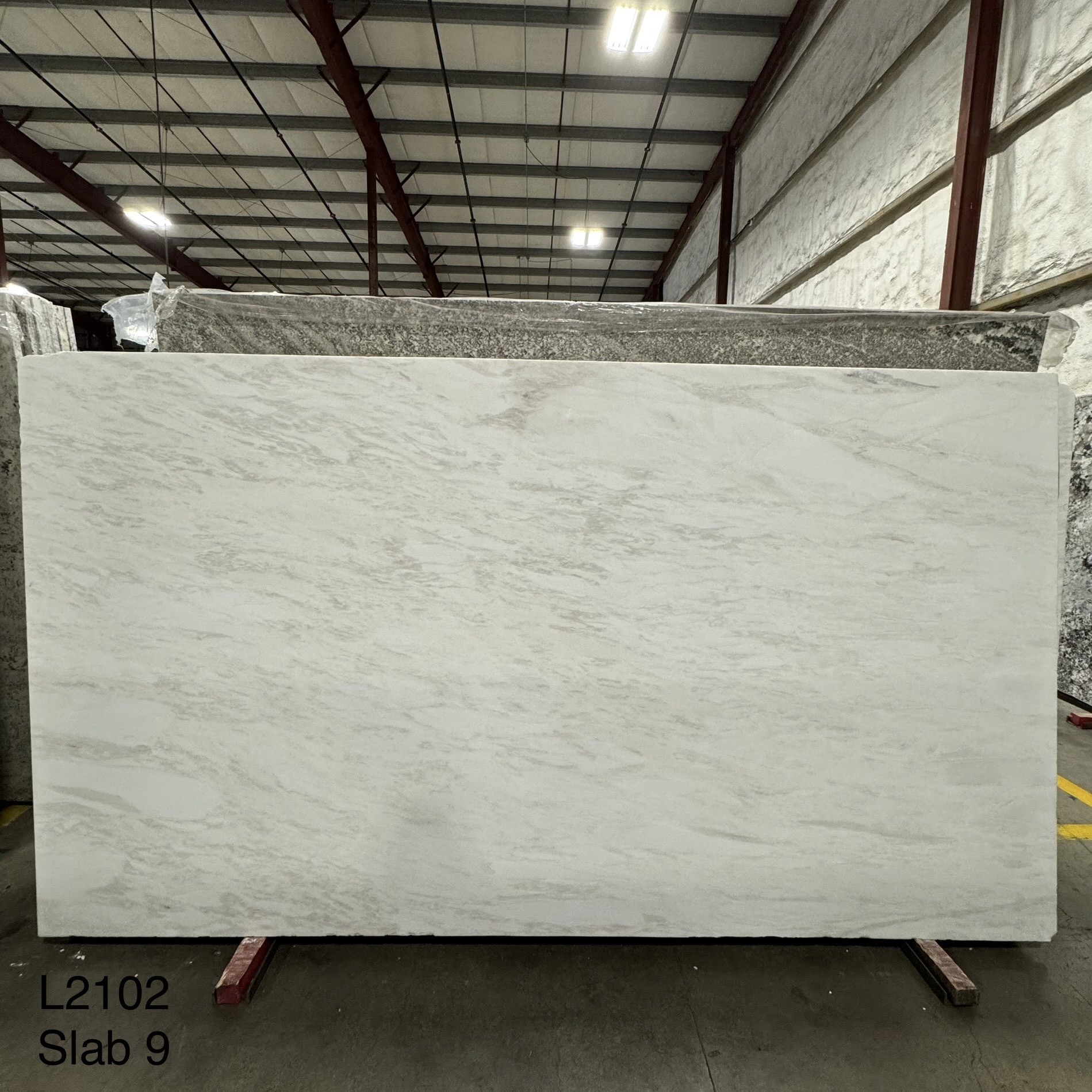
Get the Real Number for Your Kitchen
Photos and samples only tell part of the story. A 4-inch sample cannot show you how a granite slab's veining will land across your island, or how a quartz pattern repeats. We invite you to visit Alpine Stones' showroom in Portland to see full granite and quartz slabs side by side — touch them, compare them under real lighting, and talk to our team about what works best for your project. Our showroom guide tells you exactly what to bring and what to look for, and our installation guide covers what happens after you pick.
We serve the entire Portland metro area including Lake Oswego, Tigard, Beaverton, Hillsboro, West Linn, Gresham, Milwaukie and Vancouver, Washington — templating, fabricating and installing with our own in-house crews and Breton CNC equipment.
Keep reading: The complete guide to quartz countertops · Oregon granite price guide · 2026 cost guide, all materials · Quartzite: the harder natural option · Caring for your countertops
Want the long version? This page is the quick cost answer. If you want the full breakdown of durability, heat behavior, seams, resale value and slab selection, read our complete 2026 quartz vs. granite comparison guide for Portland. If you would rather decide based on how you actually cook rather than on spec sheets, start with quartz vs. granite by how you use your kitchen.
Pricing a whole project, not just the tops? The 2026 Portland and Vancouver WA countertop cost guide covers every line item, and 2cm vs 3cm thickness is the single easiest place to save money without giving anything up visually.
On a tighter budget? See countertop remnants in Portland, Oregon.
Get a real number for your kitchen. Use our instant countertop quote tool for an installed price from your own measurements in a few minutes, or call Alpine Stones at (503) 837-1980 for a free in-home measure and a written, itemized quote. No surprise add-ons for edges, cutouts, or tearout.
Alpine Stones
5512 NE 105th Ave, Portland, OR 97220
Phone: (503) 837-1980
Licensed Oregon contractor, CCB# 223660
Showroom by appointment, weekdays 9am to 4pm.
Which Should You Choose?
Here's our quick decision framework:
Choose granite if: You love natural stone character, cook with high heat often, want lower starting prices, and don't mind annual sealing.
Choose quartz if: You want zero maintenance, consistent color across surfaces, modern aesthetics, and superior stain resistance.
If the question is purely "which is cheaper," here is the honest answer by scenario:
Small kitchen, under about 30 sq ft, flexible on color: granite usually wins. A common-color granite in the $55–$80 installed range is hard for quartz to beat, and a small job is more likely to come out of a single slab.
Standard 40–55 sq ft kitchen, want a white or marble-look surface: quartz usually wins. White granites that read clean and bright are in the mid to upper granite tiers, so the price advantage evaporates and you are still signing up for sealing.
Large kitchen with an island and a waterfall: it depends on slab yield, not on material. A waterfall edge often forces a second slab, and a second slab of anything is the biggest single line item on the quote. See our waterfall island guide for how that math works.
Bathroom vanities and small runs: ask about remnants. A vanity top often fits entirely on leftover material from a previous job, which is the cheapest real stone you will ever buy. Our Portland remnants guide explains how to shop them.
Do not forget the ten-year number. Granite needs resealing roughly once a year. Doing it yourself is about $20 of sealer and twenty minutes; paying someone runs $150–$300 a visit. Over a decade that is either negligible or it is real money, depending entirely on whether you will do it yourself. Quartz has no equivalent recurring cost, but it is the material that can be permanently damaged by one hot pan. Neither of those is a reason to change your mind on its own — they are just line items people forget to put in the comparison.
Honestly? There's no wrong answer. Both materials are excellent investments that will last decades in your home. The best choice depends on your lifestyle, design preferences, and budget. If you want other options in the same price neighborhood, quartzite sits between the two on both price and durability, and soapstone is worth a look if you want natural stone that never needs a chemical sealer.
Want the actual number for your kitchen instead of a range? Call Alpine Stones at (503) 837-1980 with your rough square footage and we will tell you what both materials would run, including how many slabs your layout consumes. We fabricate in our own Northeast Portland shop, so the estimate comes from the people who will actually cut the stone.
Frequently asked questions
Is quartz always cheaper than granite?
No. The final price depends on the specific color, slab yield, edge work, cutouts and seam plan. Entry-level quartz can start below granite, while a common granite can beat quartz when the layout fits one slab and the customer is flexible on color.
Which needs less maintenance, quartz or granite?
Quartz needs no sealing. Granite is porous and should be checked with a 15-minute water test: if the stone darkens, it is absorbing moisture and should be resealed. Both clean well with nonabrasive, surface-safe products.
Which handles hot cookware better?
Granite handles normal kitchen heat better. Quartz contains resin that can scorch or discolor from a hot pan, so trivets are mandatory. That tradeoff matters more than small price differences for households that cook with high heat.
Get the Real Number for Your Kitchen
Photos and samples only tell part of the story. A 4-inch sample cannot show you how a granite slab's veining will land across your island, or how a quartz pattern repeats. We invite you to visit Alpine Stones' showroom in Portland to see full granite and quartz slabs side by side — touch them, compare them under real lighting, and talk to our team about what works best for your project. Our showroom guide tells you exactly what to bring and what to look for, and our installation guide covers what happens after you pick.
We serve the entire Portland metro area including Lake Oswego, Tigard, Beaverton, Hillsboro, West Linn, Gresham, Milwaukie and Vancouver, Washington — templating, fabricating and installing with our own in-house crews and Breton CNC equipment.
Keep reading: The complete guide to quartz countertops · Oregon granite price guide · 2026 cost guide, all materials · Quartzite: the harder natural option · Caring for your countertops
Want the long version? This page is the quick cost answer. If you want the full breakdown of durability, heat behavior, seams, resale value and slab selection, read our complete 2026 quartz vs. granite comparison guide for Portland. If you would rather decide based on how you actually cook rather than on spec sheets, start with quartz vs. granite by how you use your kitchen.
Pricing a whole project, not just the tops? The 2026 Portland and Vancouver WA countertop cost guide covers every line item, and 2cm vs 3cm thickness is the single easiest place to save money without giving anything up visually.
On a tighter budget? See countertop remnants in Portland, Oregon.
Get a real number for your kitchen. Use our instant countertop quote tool for an installed price from your own measurements in a few minutes, or call Alpine Stones at (503) 837-1980 for a free in-home measure and a written, itemized quote. No surprise add-ons for edges, cutouts, or tearout.
Alpine Stones
5512 NE 105th Ave, Portland, OR 97220
Phone: (503) 837-1980
Licensed Oregon contractor, CCB# 223660
Showroom by appointment, weekdays 9am to 4pm.
Durability & Maintenance: Portland Weather Matters
Portland's damp climate can affect your countertops — especially around sinks and windows where moisture lingers.
Granite is heat-resistant (you can set a hot pan directly on it) and incredibly hard. However, it's porous and needs to be sealed roughly once a year to prevent staining from wine, coffee, or cooking oils. Skip the sealing, and you may notice dark spots over time. The test is simple: leave a few drops of water on the surface for 15 minutes. If it darkens, it is time to reseal.
Quartz is non-porous, which means zero sealing, no staining from spills, and no bacteria growth in surface pores. It's virtually maintenance-free — just wipe it down. The trade-off? Quartz is sensitive to high heat. Trivets are a must; placing a 400°F pan directly on quartz can cause discoloration or cracking, and the resin binders can scorch permanently.
For busy Portland families who want low-maintenance surfaces, quartz tends to edge ahead. For serious home cooks who value heat resistance, granite wins. Either way, our countertop care and maintenance guide covers the day-to-day specifics for both materials, including what cleaners to keep away from each.
Still working out a budget? Get an installed price from your own measurements in about two minutes with the Alpine Stones instant quote tool, or call (503) 837-1980 to talk it through with a real person.
Cost Comparison in the Portland Market (2026)
Pricing varies by slab selection, edge profile, and kitchen complexity, but here's what Portland homeowners typically pay in 2026, fully installed:
Granite: starts around $80 per square foot installed. Common colors start near $80, mid-grade runs $95–$130, and exotic slabs are quoted per slab with no fixed ceiling.
Quartz: $65 – $120 per square foot installed. Entry-level runs $65–$85, mid-tier marble-look $85–$105, and premium designer lines $105–$120+.
For a standard Portland kitchen of roughly 40 square feet, that puts granite starting around $3,200 and quartz around $2,600 – $4,800. That is the real takeaway: entry-level quartz is the lower starting point in our market, while granite starts higher and a premium exotic slab will run well past most quartz. Cost alone rarely decides this one.
Edge upgrades, sink cutouts, overhang supports and seam count all move the final number. Our 2026 Portland & Vancouver WA countertop cost guide breaks down every line item, and our Oregon granite price guide goes deeper on granite tiers specifically.
Style & Design: What Looks Best in Pacific Northwest Homes?
Portland homes span a wide range — from Craftsman bungalows in Sellwood to modern new builds in the Pearl District. Both materials work beautifully, but they bring different vibes:
Granite shines in traditional, rustic, and transitional kitchens. The natural movement and depth of a granite slab adds warmth that pairs perfectly with wood cabinets and farmhouse sinks.
Quartz excels in modern, minimalist, and contemporary designs. Clean lines, consistent color, and the ability to mimic marble (like Calacatta) without the maintenance make quartz a designer favorite.
We're seeing a strong trend in Portland toward quartz with marble-look veining — homeowners get the luxury aesthetic of marble with zero upkeep. But classic granite like White Ice or Alaska White remains popular in the suburbs for its timeless appeal.
If you already know which direction you are leaning, our white and light countertops guide and black and dark stone guide show how each material reads at either end of the value scale. Finish matters as much as color — see polished vs. honed vs. leathered before you commit.
Which Should You Choose?
Here's our quick decision framework:
Choose granite if: You love natural stone character, cook with high heat often, want lower starting prices, and don't mind annual sealing.
Choose quartz if: You want zero maintenance, consistent color across surfaces, modern aesthetics, and superior stain resistance.
If the question is purely "which is cheaper," here is the honest answer by scenario:
Small kitchen, under about 30 sq ft, flexible on color: granite usually wins. A common-color granite in the $55–$80 installed range is hard for quartz to beat, and a small job is more likely to come out of a single slab.
Standard 40–55 sq ft kitchen, want a white or marble-look surface: quartz usually wins. White granites that read clean and bright are in the mid to upper granite tiers, so the price advantage evaporates and you are still signing up for sealing.
Large kitchen with an island and a waterfall: it depends on slab yield, not on material. A waterfall edge often forces a second slab, and a second slab of anything is the biggest single line item on the quote. See our waterfall island guide for how that math works.
Bathroom vanities and small runs: ask about remnants. A vanity top often fits entirely on leftover material from a previous job, which is the cheapest real stone you will ever buy. Our Portland remnants guide explains how to shop them.
Do not forget the ten-year number. Granite needs resealing roughly once a year. Doing it yourself is about $20 of sealer and twenty minutes; paying someone runs $150–$300 a visit. Over a decade that is either negligible or it is real money, depending entirely on whether you will do it yourself. Quartz has no equivalent recurring cost, but it is the material that can be permanently damaged by one hot pan. Neither of those is a reason to change your mind on its own — they are just line items people forget to put in the comparison.
Honestly? There's no wrong answer. Both materials are excellent investments that will last decades in your home. The best choice depends on your lifestyle, design preferences, and budget. If you want other options in the same price neighborhood, quartzite sits between the two on both price and durability, and soapstone is worth a look if you want natural stone that never needs a chemical sealer.
Want the actual number for your kitchen instead of a range? Call Alpine Stones at (503) 837-1980 with your rough square footage and we will tell you what both materials would run, including how many slabs your layout consumes. We fabricate in our own Northeast Portland shop, so the estimate comes from the people who will actually cut the stone.
Frequently asked questions
Is quartz always cheaper than granite?
No. The final price depends on the specific color, slab yield, edge work, cutouts and seam plan. Entry-level quartz can start below granite, while a common granite can beat quartz when the layout fits one slab and the customer is flexible on color.
Which needs less maintenance, quartz or granite?
Quartz needs no sealing. Granite is porous and should be checked with a 15-minute water test: if the stone darkens, it is absorbing moisture and should be resealed. Both clean well with nonabrasive, surface-safe products.
Which handles hot cookware better?
Granite handles normal kitchen heat better. Quartz contains resin that can scorch or discolor from a hot pan, so trivets are mandatory. That tradeoff matters more than small price differences for households that cook with high heat.